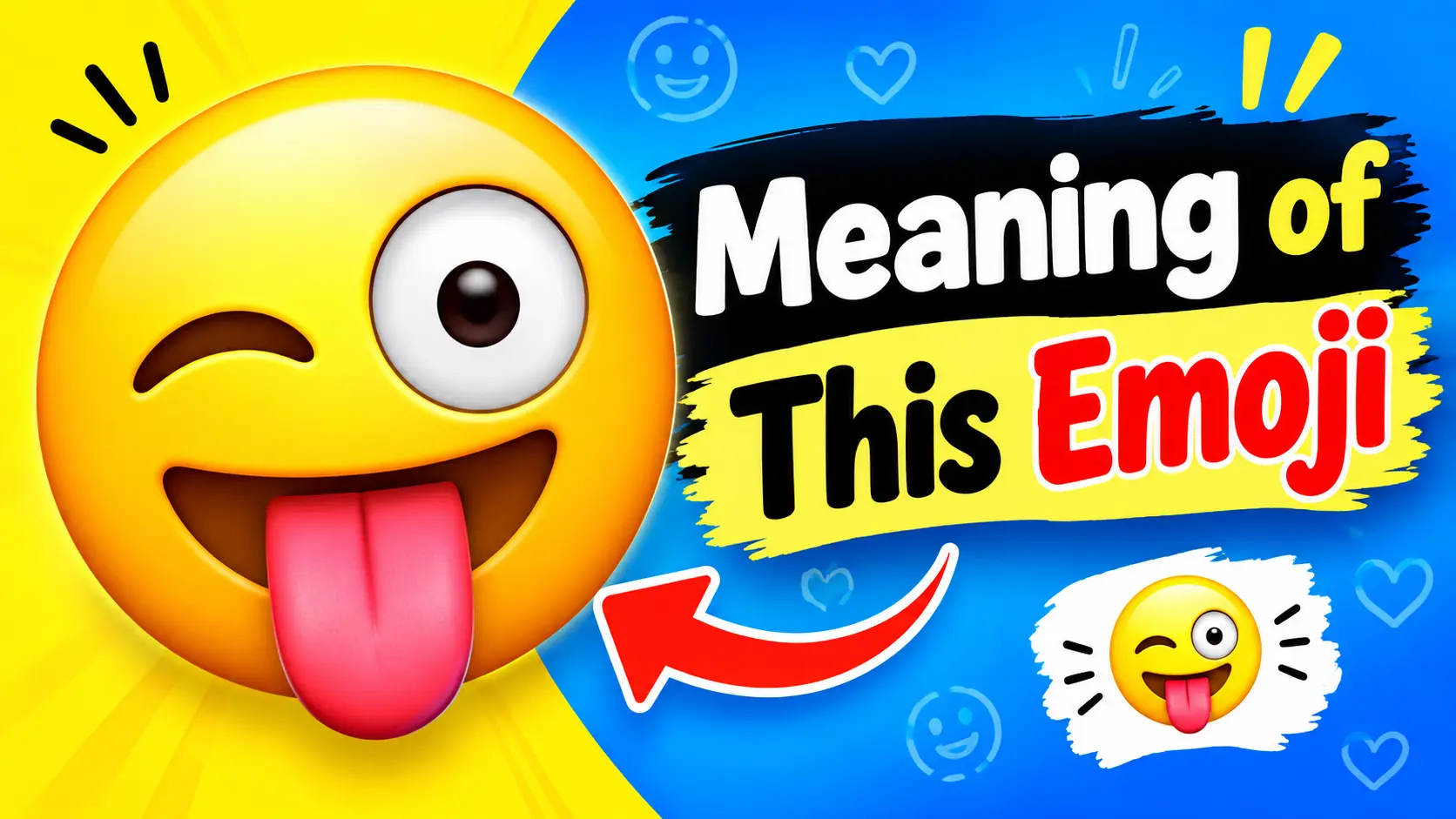
One little tongue-out expression can completely change the tone of a text. The 😛 emoji, known as the Face with Tongue emoji, usually adds a playful, silly, teasing, or joking feeling to a message.
People often use it when they want to show that they are not being completely serious. The 😛 Meaning of This Emoji can vary depending on the conversation.
A friend might send 😛 after making a joke or teasing you, while someone may use it to make a playful comment feel less serious. It can also express silliness, excitement, cheekiness, or a lighthearted reaction.
😛 What Is the Meaning of This Emoji?
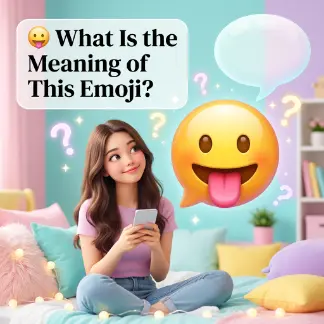
The most common meaning of this emoji 😛 is playfulness.
The expression shows a face sticking out its tongue with a wide, cheerful expression. Because of that, people often use it when they want to act silly, joke around, tease someone, or show that a statement should not be taken too seriously.
For example:
“I ate the last slice of pizza 😛”
Here, 😛 makes the message sound cheeky rather than rude. The person is admitting what they did while adding a playful attitude.
Another example is:
“You really thought you could beat me? 😛”
In this situation, the emoji gives the message a teasing and competitive tone.
So, depending on context, 😛 can communicate:
- Playfulness
- Silliness
- Teasing
- Mischief
- Joking
- Cheekiness
- Lightheartedness
- A playful challenge
- “I’m just kidding”
😛 Meaning in Text Messages
In text messages, 😛 usually tells the other person to read the message in a playful or joking tone.
Text has one major problem: you cannot hear the sender’s voice or see their facial expression. A sentence that sounds funny when spoken can look serious when written. Emojis help fill that gap.
For example:
“You are so annoying 😛”
Without an emoji, this could sound genuinely irritated. With 😛, the sender is more likely joking or teasing.
Similarly:
“Fine, you win 😛”
The emoji can make the message sound playful instead of annoyed.
Common Texting Meanings of 😛
| Situation | Likely meaning |
| Joking | “I’m not serious.” |
| Teasing | “I’m messing with you.” |
| Friendly conversation | “Just being silly.” |
| Competition | “I won!” or “Try me.” |
| Playful argument | “I’m teasing you.” |
| Casual flirting | “I’m being cheeky.” |
| Embarrassing moment | “Oops, my bad!” |
| Social media | “This is just for fun.” |
The surrounding conversation always matters. You should not assume that 😛 automatically means flirting or romance.
😛 Meaning on Social Media
On social media, 😛 can make captions, comments, and replies feel more playful.
Someone might post:
“Worked all day and still managed to finish the whole cake 😛”
The emoji adds a humorous, slightly mischievous feeling.
A person might also comment:
“Look who finally showed up 😛”
Here, the emoji suggests friendly teasing.
On platforms where people communicate through short comments, 😛 can quickly show that a statement is meant to be lighthearted. It can prevent a joke from sounding too harsh.
It may appear in:
- Instagram captions
- TikTok comments
- Facebook posts
- Snapchat messages
- WhatsApp chats
- Group conversations
- Online gaming chats
- Casual replies
The meaning remains heavily dependent on the relationship between the people involved.
😛 Meaning in Friendship
Among friends, 😛 commonly means “I’m joking,” “I’m teasing you,” or “I’m being silly.”
Close friends often tease each other. The emoji can soften the teasing and make it clear that there is no serious insult behind the message.
For example:
Friend: “You are always late.”
You: “At least I eventually arrive 😛”
The emoji makes the response sound cheeky and playful.
Another example:
“I told everyone your embarrassing story 😛”
If close friends regularly joke with each other, 😛 may signal harmless mischief.
Still, context matters. If someone makes a genuinely hurtful comment and adds 😛, the emoji does not automatically make the comment friendly.
😛 Meaning From a Girl
When a girl sends 😛, the emoji can have several meanings.
She might simply be joking, teasing you, or making the conversation more relaxed. If you already have a playful friendship, the emoji may have no romantic meaning at all.
For example:
“You actually believed me? 😛”
This is probably playful teasing.
If the conversation already contains flirting, however, 😛 can add a cheeky or flirtatious tone.
For example:
“Maybe I’ll tell you later 😛”
Here, the emoji can make the message feel more playful and teasing.
The important point is that 😛 from a girl does not automatically mean she likes you. Look at the full conversation rather than trying to decode the emoji alone.
😛 Meaning From a Guy
A guy may use 😛 for many of the same reasons.
He could be joking with a friend:
“I beat you again 😛”
He could be teasing:
“You really thought I forgot? 😛”
Or he could use it in a playful romantic conversation:
“Maybe I was thinking about you 😛”
In that last example, the surrounding conversation gives the emoji a more flirtatious feeling.
Therefore, 😛 from a guy can be friendly, humorous, teasing, or mildly flirty. The relationship and conversation provide the strongest clues.
😛 Meaning From a Crush
If your crush sends 😛, you may naturally wonder whether the emoji is flirting.
Sometimes it can be.
The emoji can make a message feel cheeky and playful, especially when the conversation already has romantic or teasing energy.
For example:
“You looked cute today 😛”
That message has a noticeably playful tone.
But consider:
“You still owe me lunch 😛”
That could simply be friendly teasing.
So, if your crush uses 😛, pay attention to the entire conversation, not just the emoji. Look at what they say, how they normally communicate, and whether they consistently use playful or affectionate language.
😛 Meaning From a Partner
Between romantic partners, 😛 can add a playful mood to everyday messages.
A partner might write:
“I’m stealing your fries again 😛”
Or:
“You know you love me 😛”
In these situations, the emoji can communicate affection mixed with humour and teasing.
Couples may also use it during playful disagreements:
“I was right, and you know it 😛”
The emoji can make the statement feel less serious.
Because partners often develop their own communication style, 😛 may have a personal meaning within a relationship. One couple may use it as a general joke, while another may use it in flirtatious conversations.
😛 Friendly Meaning
The friendly meaning of 😛 is usually connected to being silly, playful, or teasing.
It can be similar to saying:
- “Just kidding!”
- “I’m messing with you.”
- “Don’t take me too seriously.”
- “I’m being silly.”
- “Got you!”
- “I’m teasing.”
For example:
“I finished your snacks 😛”
The sender may be jokingly admitting that they took something.
In a friendship, this emoji usually does not require a romantic interpretation.
😛 Romantic or Flirty Meaning
The 😛 emoji can have a flirty meaning, but it is not inherently a romantic emoji.
When used in a romantic conversation, it can make a message sound cheeky, playful, or mischievous.
For example:
“Maybe I’m trying to make you jealous 😛”
The emoji supports the teasing tone.
Another example:
“You know I like annoying you 😛”
Between people who already flirt, this can feel playful and affectionate.
However, the emoji alone cannot establish romantic interest. A person might use 😛 with friends, siblings, classmates, or anyone else they joke with.
😛 Emotional Meaning
The 😛 emoji usually does not represent a deep emotion such as sadness, grief, anger, or love.
Instead, it communicates an attitude or tone.
It can show that the sender feels:
- Playful
- Cheerful
- Mischievous
- Amused
- Teasing
- Lighthearted
- Comfortable enough to joke
This makes 😛 different from emojis that directly communicate strong emotions.
For example, 😢 clearly signals sadness, while 😛 generally tells you how to interpret the message rather than describing a serious emotional state.
😛 Playful Meaning
Playfulness is probably the most important idea associated with 😛.
The tongue-out expression naturally gives the emoji a silly and energetic personality.
Someone may use it after making a joke:
“I ate all the cookies 😛”
Or after teasing another person:
“You really fell for that 😛”
It can also make ordinary messages sound less formal:
“See you tomorrow 😛”
Here, the emoji can simply add a fun personality to the message.
😛 Sarcastic or Humorous Meaning
😛 can sometimes accompany sarcasm or humorous comments.
For example:
“Yeah, because I love waking up at 5 a.m. 😛”
The sender probably does not genuinely enjoy waking up that early. The emoji helps signal that the statement has a joking tone.
Another example:
“Thanks for leaving me one tiny piece 😛”
This could be a humorous complaint between friends.
However, 😛 does not always mean sarcasm. You need to examine the actual words and conversation.
Positive Meanings of 😛
In many conversations, 😛 has a positive or harmless tone.
It can communicate:
- “I’m having fun.”
- “I’m joking.”
- “I’m teasing you.”
- “I’m being cheeky.”
- “Don’t take this too seriously.”
- “I’m in a playful mood.”
For example:
“Guess who won the game? 😛”
The sender is probably celebrating in a playful way.
Negative Interpretations of 😛
Although 😛 is usually playful, it can sometimes be interpreted negatively.
For example, if someone says:
“You failed again 😛”
The emoji could make the message sound mocking rather than friendly.
Someone might also use 😛 after saying something deliberately annoying:
“I took your seat 😛”
Depending on the relationship, this may feel funny or irritating.
This is why emoji interpretation cannot happen separately from the words being used.
😛 Meaning in Different Situations
The same emoji can communicate different ideas depending on where it appears.
| Context | Possible meaning |
| Best friend | Silly teasing |
| New friend | Lighthearted joke |
| Crush | Playful or possibly flirty |
| Partner | Affectionate teasing |
| Coworker | Casual joking |
| Family member | Playfulness |
| Social media | Humour or cheekiness |
| Online gaming | Friendly competition |
| Argument | Attempt to make the situation less serious |
| Sarcastic comment | Humorous or mocking tone |
These are possibilities, not strict rules.
Examples of 😛 in Conversations
Example 1: Friendly Teasing
Alex: “You said you would wake up early.”
Sam: “I did wake up early.”
Alex: “At noon? 😛”
Here, 😛 shows that Alex is teasing Sam.
Example 2: Playful Competition
Alex: “I beat you again!”
Sam: “Enjoy it while it lasts 😛”
The emoji adds confidence and playful competition.
Example 3: Romantic Teasing
Alex: “You missed me, didn’t you?”
Sam: “Maybe a little 😛”
Here, the emoji adds a cheeky romantic tone.
Example 4: Casual Joke
Alex: “I’m supposed to be studying.”
Sam: “And instead you’re watching videos 😛”
The emoji makes the observation sound playful.
Example 5: Mischief
Alex: “Did you eat my chocolate?”
Sam: “Who, me? 😛”
The sender is jokingly pretending to be innocent.
Example 6: Social Media Caption
“I said I would eat healthy today. Then pizza happened 😛”
The emoji makes the caption humorous and self-aware.
When Someone Sends 😛, How Should You Respond?
Your response depends on the situation.
If a friend sends 😛 after teasing you, you can tease them back.
For example:
“Just wait, I’ll get you back 😛”
If your crush sends it during a playful conversation, you can respond with similar energy:
“Oh, so you’re being cheeky now? 😛”
If your partner sends it, a playful response can keep the conversation warm:
“You’re impossible 😂”
If the message is unclear, you do not need to overthink the emoji. Simply respond to the actual words.
Responses to 😛 From a Friend
You could reply:
“Very funny 😂”
Or:
“Keep laughing. Your turn is coming 😛”
Responses to 😛 From a Crush
A playful response might be:
“What are you planning? 😛”
Or:
“You’re definitely up to something.”
Responses to 😛 From a Partner
You could say:
“There you go being mischievous again 😛”
Or simply continue the conversation naturally.
Is 😛 a Flirty Emoji?
Sometimes, but not always.
The 😛 emoji can become flirty when it appears in a romantic conversation or when two people already have mutual playful chemistry.
For example:
“Maybe I’ll tell you my secret later 😛”
That can sound teasing and flirtatious.
But:
“I beat you at chess 😛”
is probably just playful competition.
Therefore, calling 😛 a “flirty emoji” without considering context can be misleading.
Is 😛 a Rude Emoji?
Usually, no.
The emoji is generally designed to communicate a playful tongue-out expression. However, any emoji can feel rude when someone uses it with insulting, mocking, or aggressive words.
Compare:
“You’re such a loser 😛”
with:
“You finally lost to me 😛”
The first can feel insulting, while the second may be harmless teasing between friends.
The relationship between the people also matters.
Is 😛 the Same as 😜?
No. The two emojis are related, but they are not exactly the same.
😛 is the face with tongue emoji. It generally emphasizes silliness, playfulness, or cheekiness.
😜 is the winking face with tongue emoji. The wink adds another layer of teasing or mischievous intent.
For example:
“I’m not telling you 😛”
sounds playful.
“I’m not telling you 😜”
can sound more knowingly cheeky or teasing because of the wink.
Neither emoji automatically means flirting.
😛 vs 😝
😝 has a more exaggerated expression than 😛.
The 😝 emoji usually has tightly closed or scrunched eyes and a tongue-out expression. It can suggest stronger silliness, excitement, disgust in a joking context, or exaggerated humour.
By comparison, 😛 often feels simpler and more casual.
You might use 😛 for:
“Just kidding 😛”
while 😝 could fit:
“That was absolutely inexplicable 😝”
The distinction is not absolute because people often use emojis according to personal preference.
😛 vs 😋
These two emojis are sometimes confused because both show a tongue.
However, 😋 usually relates to delicious food, enjoyment, or satisfaction.
For example:
“This cake is amazing 😋”
The emoji suggests that the food tastes good.
By contrast:
“I ate the last slice 😛”
has a playful, cheeky feeling.
So, 😋 is more strongly associated with enjoying something, while 😛 is more strongly associated with being playful or teasing.
Common Misunderstandings About 😛
“😛 Always Means Flirting”
This is one of the biggest misunderstandings.
The emoji can be flirtatious, but it is also extremely common in ordinary friendly conversations.
“😛 Means the Person Is Being Rude”
Not necessarily.
The expression can be cheeky, but most everyday uses are playful rather than hostile.
“The Emoji Has One Exact Meaning”
Emoji meanings are flexible. People use them differently based on their personality, culture, age group, relationship, and communication habits.
“😛 Proves Someone Likes You”
An emoji cannot prove romantic interest.
If you want to understand someone’s feelings, consider their overall behaviour and communication instead of relying on one symbol.
Why Context Matters So Much With 😛
Imagine receiving this message:
“You’re in trouble 😛”
If it comes from your best friend after you ate their food, it could be a joke.
If it comes from a romantic partner during playful conversation, it might sound flirtatious.
If it comes from someone you barely know after a serious disagreement, you might interpret it differently.
The emoji stayed exactly the same. The context changed.
That is why the safest way to understand 😛 is to consider:
- What did the person say?
- What were you talking about?
- How well do you know each other?
- Do they normally use playful emojis?
- Was the conversation serious or casual?
- Are there romantic or teasing signals elsewhere?
These clues provide much more information than the emoji alone.
Cultural and Personal Differences in Emoji Use
Emoji interpretation can also vary across cultures and age groups.
Some people use emojis in almost every message. Others rarely use them. One person may use 😛 simply because they think it looks funny, while another person may use it specifically when teasing someone.
Personal habits matter too.
If someone regularly sends 😛 to all their friends, receiving it from that person probably does not carry a special romantic meaning. If they rarely use emojis and suddenly send 😛 during a flirtatious conversation, it may deserve more attention.
Still, even in that situation, you should interpret the whole conversation rather than making a conclusion based on one emoji.
When Should You Use 😛?
You can use 😛 when you want to make a casual message feel more playful.
It works particularly well after:
- A harmless joke
- Friendly teasing
- A playful confession
- A silly statement
- A light competition
- A cheeky comment
- A humorous social media caption
For example:
“Okay, okay, you were right 😛”
This makes admitting defeat feel playful.
You may want to avoid it in formal communication, serious professional messages, or sensitive conversations where the playful tone could be misunderstood.
What Does 😛 Mean From Your Crush?
When a crush sends 😛, look at the surrounding message.
If they say:
“You’re funny 😛”
the emoji adds a playful tone.
If they say:
“Maybe I’ll see you this weekend 😛”
it could make the message feel teasing or lightly flirtatious.
But if they say:
“You forgot your notebook 😛”
there may be nothing romantic about it.
The same emoji can support completely different intentions.
What Does 😛 Mean in a Relationship?
In relationships, 😛 often works as a playful affection emoji.
Partners may use it to tease one another, joke about small habits, or add humour to ordinary conversations.
For example:
“You know you’re going to share your dessert with me 😛”
The emoji can make a demand sound playful.
It can also be used after a compliment:
“You looked really good today 😛”
Here, the emoji may add a cheeky quality to the compliment.
Again, couples develop their own emoji language, so the meaning may depend on what the emoji normally represents between them.
What Does 😛 Mean in a Group Chat?
In group chats, 😛 can be used to make a joke stand out as playful.
For example:
“I’m obviously the smartest person here 😛”
The sender is likely joking or playfully bragging.
Someone might also use it after teasing another group member:
“We waited twenty minutes for you 😛”
In a group setting, the emoji can help prevent playful comments from appearing too serious.
😛 Meaning in Gaming Chats
Gamers may use 😛 after a win, playful challenge, or joke.
For example:
“Too easy 😛”
or:
“You’re getting destroyed next round 😛”
In this context, the emoji usually signals friendly competition and teasing.
However, competitive communities can have different communication styles. A message that one person sees as harmless fun might feel like mocking to another person.
Frequently Asked Questions
What is the 😛 meaning of this emoji?
The 😛 meaning of this emoji is usually playful, silly, cheeky, or teasing. People often use it to show that they are joking or do not want a message to sound too serious.
What does 😛 mean in texting?
In texting, 😛 often means “I’m joking,” “I’m teasing you,” or “I’m being playful.” Its exact meaning depends on the message and relationship between the people.
Is 😛 a flirty emoji?
😛 can be flirty in the right context, especially between a crush or romantic partners. However, it is not automatically a romantic emoji and is also common among friends.
What does 😛 mean from a girl?
From a girl, 😛 can mean playfulness, teasing, silliness, or cheekiness. If the conversation is romantic, it may add a flirty tone, but the emoji alone does not prove romantic interest.
What does 😛 mean from a guy?
From a guy, 😛 can signal joking, friendly teasing, playful competition, or cheekiness. In a romantic conversation, it can also contribute to a flirtatious tone.
What does 😛 mean from a crush?
From a crush, 😛 may indicate playful teasing or mild flirting, particularly if the rest of the conversation already has romantic energy. Context is more important than the emoji by itself.
Is 😛 rude?
😛 is generally playful rather than rude. However, it can feel mocking or disrespectful if someone uses it after an insult or during a serious disagreement.
What is the difference between 😛 and 😜?
😛 generally shows a playful tongue-out expression, while 😜 combines the tongue-out expression with a wink. Because of the wink, 😜 can sometimes feel more mischievous or teasing.
Conclusion:
The 😛 meaning of this emoji is mainly connected with playfulness, silliness, teasing, cheekiness, and humour. People use it to make messages feel less serious and to show that they are joking or having fun. In friendships, 😛 often signals harmless teasing. In romantic conversations, it can add a flirty or cheeky tone. On social media, it can make captions and comments feel humorous.
From a crush, girl, or guy, its meaning still depends on the surrounding conversation. The most important thing to remember is that 😛 does not have one universal interpretation. The words around it, the relationship between the people, personal emoji habits, and the situation all influence what it means.

I am Grace Wilson, a passionate writer dedicated to creating helpful, engaging, and informative content for readers around the world. I am committed to sharing well-researched ideas, practical knowledge, and meaningful stories that inspire and educate. With a focus on clarity and authenticity, I am always exploring new topics and bringing valuable insights to my audience.