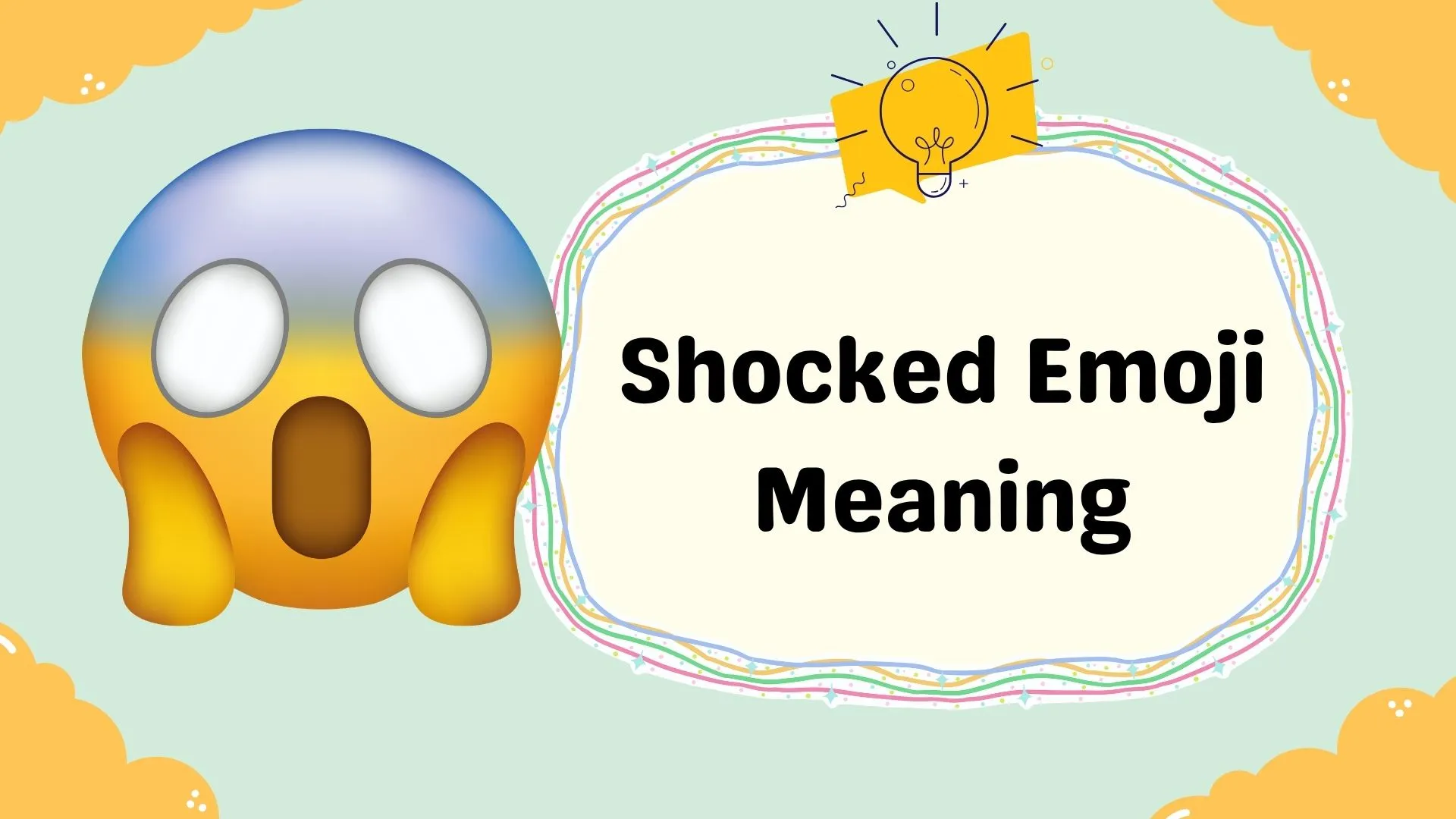
The shocked emoji 😲 is a powerful way to express surprise, disbelief, amazement, or sudden shock without using many words. When someone sends 😲 in a text, they may have just heard something unexpected, unbelievable, exciting, or even confusing.
Its meaning can change depending on the conversation for example, it might show genuine surprise when hearing surprising news, or it could simply mean “Wow, I can’t believe it!”
The shocked emoji is also commonly used on social media, in comments, and during funny conversations to react dramatically to something unexpected. But does 😲 always mean something bad happened? Not at all.
Quick Answer
The shocked emoji (most often 😲 or 😱) usually shows surprise, amazement, disbelief, or dramatic reaction. People use it for “OMG” moments, unexpected news, impressive achievements, or humorous overreactions. It rarely means real terror in casual chats. Context decides whether the tone feels positive, neutral, or cautionary.
Table of Contents
- Shocked Emoji Mean
- Spiritual Meaning
- Biblical Meaning
- Psychological Meaning
- Emotional Meaning
- Positive Meanings
- Negative Meanings
- Common Usage Scenarios
- Shocked Emoji by Intensity and Style
- Usage by Context or “Location”
- Cultural Interpretations
- Is This Emoji Good or Bad?
- What Should You Do After Seeing or Using This Emoji?
- Comparison Table
- FAQs
- Final Thoughts
What Does the Shocked Emoji Mean?
The shocked emoji family centers on faces that look startled. The classic 😲 (Astonished Face) shows raised eyebrows, wide-open eyes, and a gaping mouth. It often appears with teeth visible. The stronger 😱 (Face Screaming in Fear) adds hands pressed to the cheeks and a pale forehead, echoing the famous painting The Scream. Other close cousins include 😮 (open mouth) and 🤯 (exploding head).
In daily use, these faces stand for sudden surprise. Someone shares big news and you reply with 😲. A friend drops an unexpected fact and 😱 appears. The emoji works as a visual “whoa” or “I can’t believe it.”
Emotionally, it captures the moment the mind freezes for a second. Symbolically, it marks a break in the expected flow of events. Practically, it softens hard news, amplifies funny stories, or adds energy to a chat without typing long sentences.
Many digital communicators treat it as flexible. One person might use it for pure delight. Another might reach for it during mild confusion. Dream interpretation varies depending on personal experiences, and emoji reading works the same way. The same face can feel warm in one conversation and tense in another.
Spiritual Meaning
Some people who explore spiritual symbolism view the shocked emoji as a modern sign of sudden awakening. The wide eyes and open mouth can suggest a moment when ordinary thinking stops and something larger appears. In online spiritual communities, users sometimes pair it with messages about unexpected guidance, synchronicities, or life shifts that feel bigger than coincidence.
Traditional systems do not assign fixed meanings to digital icons, of course. Still, the visual of a face frozen in wonder can echo older ideas of awe before the unknown. Some interpret the pale forehead on 😱 as energy moving or a temporary emptying of the usual self. Others simply see it as a reminder to stay open when life surprises them.
These readings remain personal. Many believe the emoji simply reflects the human capacity for wonder rather than any deeper spiritual event.
Biblical Meaning
There is no strong, direct biblical association with the shocked emoji. The Bible was written long before digital symbols existed. Passages that describe astonishment, fear of the Lord, or sudden revelation (for example, reactions to miracles or prophetic words) share a similar emotional flavor of being overwhelmed. Yet linking a yellow cartoon face to scripture would stretch the text beyond its original setting.
Most readers treat the emoji as a contemporary communication tool rather than a carrier of biblical symbolism. If someone uses it while discussing a powerful spiritual experience, the meaning comes from the conversation, not from the icon itself.
Psychological Meaning
Modern psychology looks at the shocked emoji as a quick way to signal an interruption in expected patterns. The human brain loves predictability. When something breaks that pattern, a flash of surprise appears. Sending or receiving the emoji often mirrors that internal jolt.
It can point to subconscious processing of unexpected information. A person might use 😲 after hearing news that challenges an old belief or opens a new possibility. In group chats it sometimes softens anxiety by turning a serious reaction into a shared, lighter moment. Stress and overload can also trigger heavier use of the more dramatic versions like 😱. The emoji becomes a pressure-release valve.
Researchers who study digital communication note that reaction emojis help regulate social emotion. They let people show they are paying attention without needing to craft careful words. In relationships, frequent shocked replies can signal high engagement or, in some cases, underlying tension that has not been spoken yet.
Dream interpretation varies depending on personal experiences, and emoji use follows the same principle. The face itself does not diagnose anything. It simply offers a visible trace of an inner state.
Emotional Meaning
The shocked emoji commonly reflects a cluster of feelings that arrive quickly:
- Pure surprise at unexpected events
- Mild disbelief when something seems too good or too strange
- Awe mixed with excitement
- Playful exaggeration for comic effect
- A touch of concern or second-hand embarrassment
It rarely stays in one emotional lane. The same face can feel delighted when a friend lands a dream job and uneasy when bad news arrives. Tone, timing, and the words around the emoji shape the final reading.
Positive Meanings
Many people reach for the shocked emoji in uplifting moments. Common positive readings include:
- Genuine delight at good news or achievements
- Shared excitement that strengthens connection
- Playful energy that keeps conversation light
- Recognition of talent, beauty, or cleverness
- A sense of wonder that makes ordinary days feel larger
When used this way, the emoji often invites the other person to keep sharing. It says “I see you and this matters.”
Negative Meanings
The same faces can carry heavier weight. Possible cautionary readings include:
- Discomfort with unexpected or unwanted information
- Mild social alarm or second-hand stress
- Hyperbolic reaction that sometimes masks real worry
- Passive signal of judgment when paired with critical text
- Overuse that can make genuine reactions feel less believable
Context decides the difference. A single 😱 after a joke usually feels fun. The same emoji after a serious personal disclosure may feel mismatched and distance the conversation.
Common Usage Scenarios
Here are seven everyday situations where the shocked emoji appears. Each explanation stays in the range of common observations rather than fixed rules.
Seeing the Shocked Emoji in a Group Chat
Someone drops unexpected news into a busy group thread and several 😲 or 😱 replies appear at once. Many users treat this as collective attention and mild social bonding. The emoji shows the group is listening and reacting together. The tone is usually neutral to positive unless the news itself is heavy. It can feel supportive when people simply acknowledge the surprise without rushing to advise.
Receiving the Shocked Emoji After Sharing Good News
You tell a friend about a promotion, a trip, or a personal win and they answer with 😱. Most people read this as enthusiastic celebration. The intensity of the face amplifies the joy. Some dream experts suggest (and the same idea applies here) that strong visual reactions help the sender feel seen. The interpretation leans positive when the relationship is warm.
Using the Shocked Emoji for Gossip or Tea
A message begins with “you will not believe what happened” and ends with 🫢 or 😱. In many online circles this signals playful interest in drama. The emoji softens the act of sharing or receiving second-hand stories. Tone can slide toward negative if the content involves real harm to others, but casual use stays light and social.
Reacting to a Plot Twist or Media Moment
While watching a show or scrolling a feed, someone posts 😲 next to a spoiler-free reaction. This is classic entertainment use. The face stands for narrative surprise rather than personal emotion. Neutral to positive in most cases, it simply marks the shared pleasure of being caught off guard by a story.
Sending the Shocked Emoji After a Mild Mistake
A friend admits they forgot a small plan or said something awkward and you reply with 😳 or 😲. Many treat this as gentle acknowledgment rather than criticism. It can reduce tension by turning the moment into a shared human stumble. Generally neutral, sometimes gently positive when it invites laughter.
Seeing Multiple Shocked Emojis in a Row
Three or four 😱 faces land under one post. The repetition usually signals heightened dramatic reaction, often humorous. In some friend groups it has become a running joke. Positive when the group culture supports exaggeration; potentially overwhelming if the original message was serious.
Using the Shocked Emoji with Strangers or Online Audiences
On public posts the face often functions as a quick engagement tool. Creators and commenters use it to show they noticed something noteworthy. Tone depends heavily on the surrounding text. It remains one of the safer reaction choices because pure surprise is hard to misread as hostility.
Shocked Emoji by Intensity and Style
Different faces carry slightly different volumes:
- 😮 – mild open-mouth surprise, often curiosity
- 😲 – classic astonishment, versatile middle ground
- 😳 – surprise mixed with a hint of embarrassment or heat
- 😱 – high-drama shock, frequently playful rather than fearful
- 🤯 – mind fully blown, intellectual or conceptual surprise
People choose among them the way they choose volume on a speaker. Soft news gets the quieter face. Big reveals get the louder ones.
Usage by Context or “Location”
- In private one-to-one chats the emoji often feels more personal and sincere.
- In work or professional threads it appears less frequently and usually stays mild (😮 or 😲).
- On social media platforms it becomes performative and community-oriented.
- In gaming or live-stream chats the stronger versions dominate as rapid reaction tools.
- Across different messaging apps the exact drawing of the face can shift slightly, yet the core meaning holds.
Cultural Interpretations
Western digital culture treats the shocked emoji as everyday punctuation for surprise. Islamic online communities sometimes use it carefully around sensitive topics, preferring milder faces when discussing faith-related news. In many East Asian contexts the open-mouth faces appear frequently in casual chat and can carry playful or cute overtones depending on platform design. Hindu and broader South Asian social media users often mix them with other expressive icons during festival announcements or family updates. Native and indigenous online spaces, like most communities, adapt the symbols to local storytelling styles rather than assigning fixed traditional meanings.
Across cultures the core idea remains recognition of the unexpected. Local humor, politeness norms, and platform habits shape the fine details.
Is This Emoji Good or Bad?
Neither. The shocked emoji is a tool. In supportive conversations it strengthens connection. In mismatched moments it can create distance. Most everyday uses land in neutral-to-positive territory because surprise itself is a common, healthy human response. The surrounding words and the relationship history decide the final flavor.
What Should You Do After Seeing or Using This Emoji?
Pause for a second and notice the full message. If someone sent it to you, a simple follow-up question often works better than matching the drama. If you sent it, check whether the intensity matched the topic. Over time, noticing your own patterns can reveal what kinds of surprises currently matter most in your life. No single emoji requires deep analysis. Reflection stays optional and personal.
Comparison Table
| Positive Symbolism | Negative Symbolism |
| Shared excitement | Mild social discomfort |
| Recognition of achievement | Hyperbolic masking of worry |
| Playful connection | Potential mismatch with serious topics |
| Sense of wonder | Overuse that dilutes sincerity |
| Quick emotional support | Passive of unspoken judgment |
FAQs
What is the most common shocked emoji?
Most people reach for 😲 or 😱. The first feels versatile for everyday surprise. The second adds theatrical energy and is popular for bigger reactions or humorous exaggeration.
Does 😱 always mean fear?
Rarely in casual texting. Despite its official name, modern use leans heavily toward “OMG” or dramatic surprise rather than genuine terror. Context almost always softens the fear reading.
Can the shocked emoji be flirtatious?
Sometimes. When paired with compliments or teasing, the wide-eyed reaction can signal delighted interest. Alone it usually stays neutral. The rest of the conversation supplies the tone.
Is it rude to reply only with a shocked emoji?
It depends on the relationship and the topic. With close friends it often feels energetic and sufficient. With new acquaintances or heavy subjects, adding a short sentence usually lands better.
Why do some people spam multiple shocked emojis?
Repetition amplifies the reaction for comic or communal effect. In many friend groups and online communities it has become a lighthearted convention rather than a sign of distress.
How has the meaning of the shocked emoji changed over time?
Early versions sometimes looked more distressed. As platforms refined the designs and users adapted them, the faces became more flexible tools for both genuine and playful surprise. Slang like “shook” grew alongside the icons.
Final Thoughts
The shocked emoji is a small digital mirror of a very human moment: the brief pause when life refuses to stay predictable. Whether it arrives as 😲 after good news or 😱 after a wild story, it invites us to notice what catches us off guard.
Meanings stay personal. Your own history, culture, and current mood shape how the face lands. The most useful approach is simple curiosity. Notice when you reach for it and when others send it your way. Those tiny yellow faces often point toward the places where life still has the power to surprise you.

I am James Wilson, a passionate writer dedicated to creating informative, engaging, and valuable content for readers around the world. I am focused on sharing well-researched ideas, practical insights, and helpful information that inspires learning and growth. With a strong interest in writing and exploring different topics, I aim to provide content that is clear, meaningful, and easy to understand.