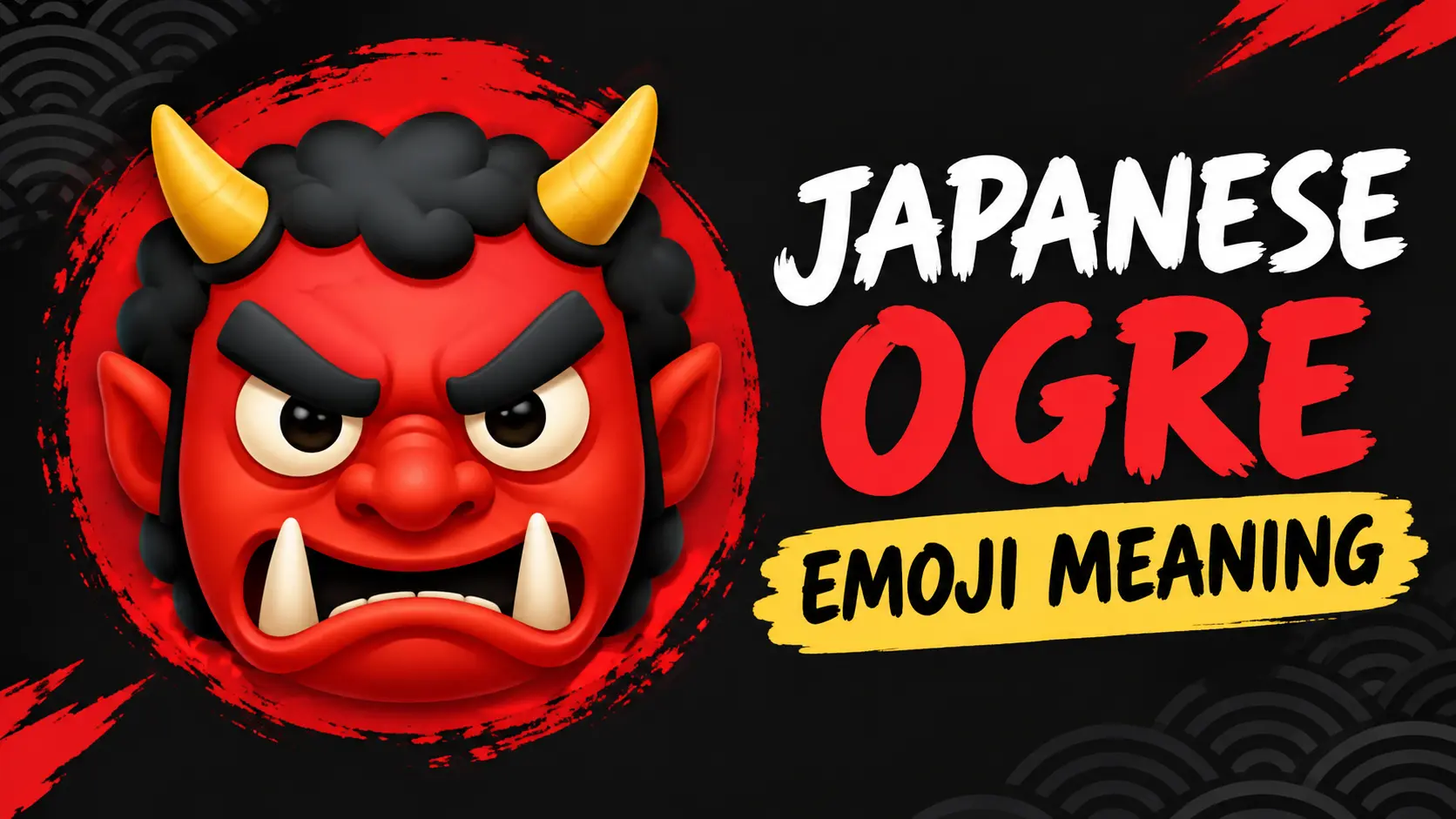
Those two colorful ogre faces 👹👺 may look mysterious at first, but they have a fascinating connection to Japanese folklore and traditional culture. The Japanese Ogre Emoji Meaning is commonly associated with mythical creatures known as oni, which are supernatural beings often portrayed with horns, fierce expressions, and unusual appearances.
The 👹 emoji, known as the Japanese Ogre, typically represents an oni and can suggest something scary, mischievous, powerful, or intimidating. Meanwhile, 👺, the Japanese Goblin emoji, is linked to the traditional tengu, another legendary creature from Japanese mythology.
In modern texting, people may use these emojis literally when talking about Japanese culture, Halloween, scary characters, or folklore. They can also be used jokingly to describe someone acting fierce, naughty, angry, or intimidating. The meaning can change depending on the conversation and the person sending it.
Meaning & Definition
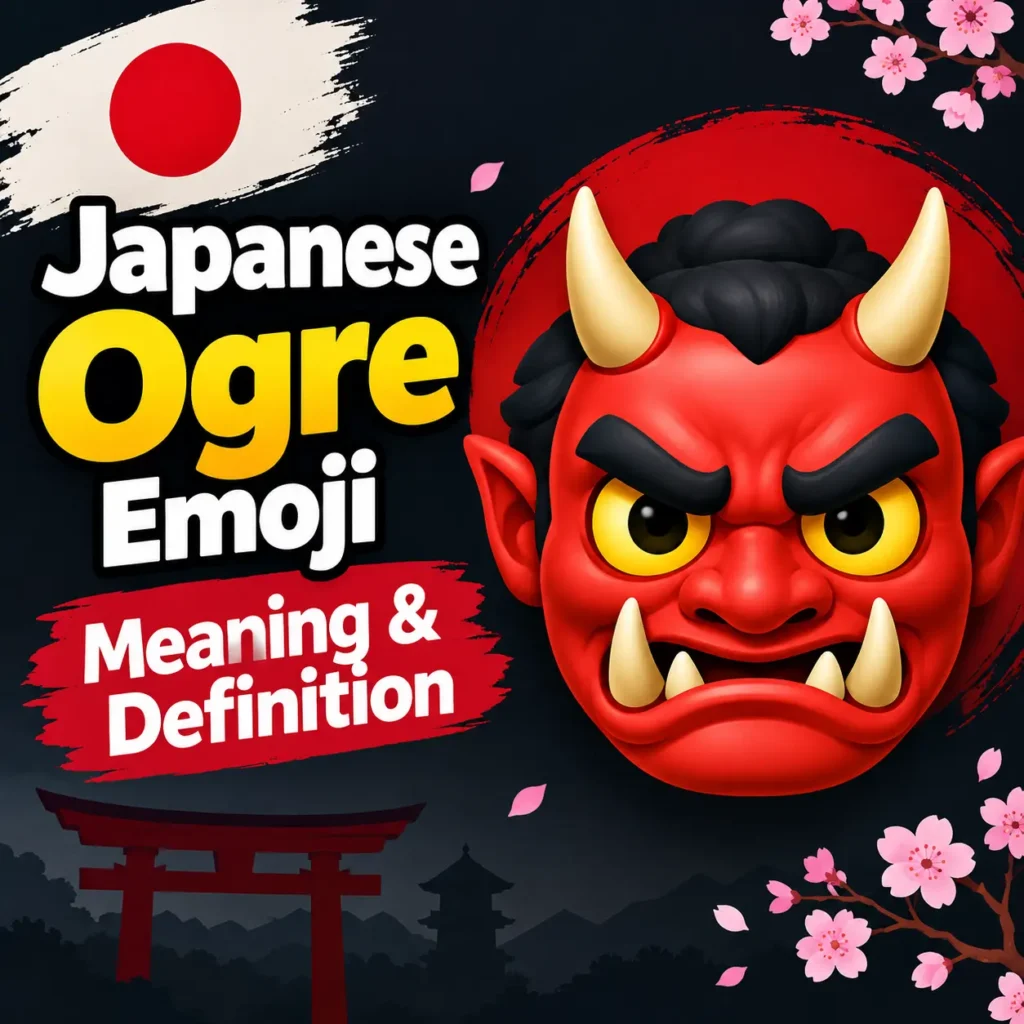
The primary meaning of the Japanese ogre emoji 👹 is an oni a powerful demon or ogre from Japanese folklore. It shows a red face with two horns, wide eyes, a big nose, crooked fangs, and messy hair.
In texting and social media it usually stands for monsters, demons, scary energy, mischief, or a “villain arc” vibe. Secondary meanings include general spooky feelings, over-the-top toughness, or playful chaos. Outside Japan many people simply use it as a generic “monster” or “scary” emoji.
Examples of how it appears in messages:
“Be good tonight or the 👹 will come for you!”
“This final boss is pure 👹 energy.”
Background & Origin
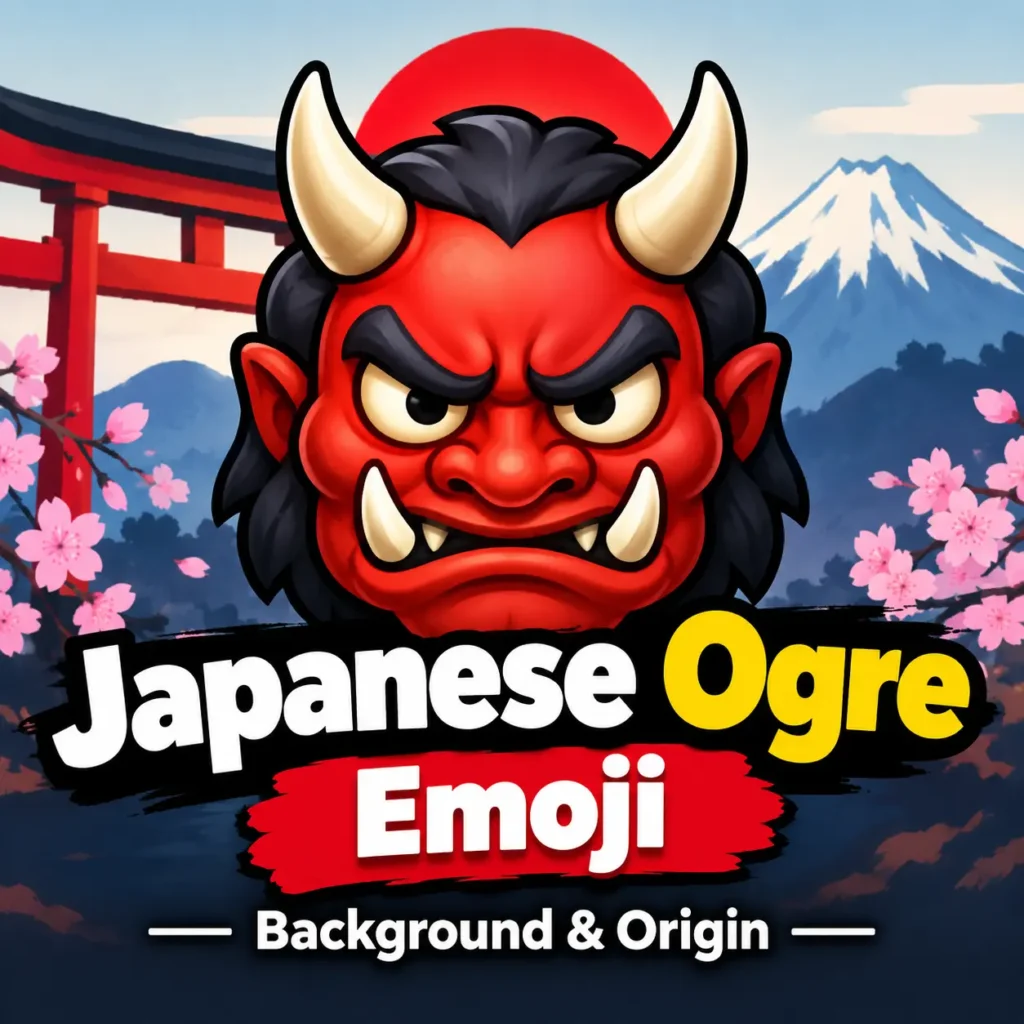
The Japanese ogre emoji comes directly from Japanese mythology. An oni is a type of yōkai (supernatural creature) often shown as a large, horned, red-skinned being that can bring chaos, punishment, or sometimes protection. A related tradition is the namahage — men who wear oni masks and straw coats on New Year’s Eve to scold lazy or naughty children.
The emoji first appeared on Japanese mobile phones around 2003 (especially on au by KDDI keyboards). Unicode officially added it in 2010 under the name “Japanese Ogre” (code point U+1F479) as part of Unicode 6.0. It became part of the standard Emoji 1.0 set in 2015. Because the earliest emoji sets were created in Japan, culture-specific faces like the oni and the tengu (Japanese goblin) made it into the global keyboard.
Usage in Different Contexts
Texting or Chat Messages
Friends use the Japanese ogre emoji for playful threats or to call someone dramatic.
Example: “You’re being a total 👹 about sharing the last slice of pizza.”
Social Media Platforms
It shows up a lot in Halloween content, Japanese folklore posts, anime discussions, and memes about “demon time” or chaotic energy.
Professional or Technical Settings
It is rare in formal work chats, but people in creative fields, game design, or cultural education sometimes use it when talking about Japanese mythology or character design.
Platform-Specific Meanings
| Platform | Common Meaning | Example Use |
| Playful monster or scary joke | “Movie night = 👹 vibes only” | |
| Costume, folklore, or aesthetic post | Caption on an oni mask photo: “Channeling 👹” | |
| TikTok | Villain arc, chaos, or Halloween trend | “POV: you enter your 👹 era” |
| Snapchat | Quick scary reaction or filter vibe | Sticker reply to a spooky snap |
| Twitter/X | Meme energy or Japanese culture talk | “Oni wa soto! 👹” during Setsubun |
Other Fields Using the Abbreviation
The Japanese ogre emoji is not a traditional abbreviation, but it appears in several niche areas:
- Video games and anime (oni characters and bosses)
- Cultural education and Japanese language learning materials
- Halloween and festival marketing campaigns
- Folklore studies and art that references yōkai
These uses stay mostly creative and cultural rather than technical or medical.
Common Misconceptions & Mistakes
Many people think the Japanese ogre emoji is just a Western-style ogre or devil face. In reality it is specifically an oni. It is different from the purple angry face with horns 👿 (Western imp/demon) and the long-nosed Japanese goblin 👺 (tengu).
A common mistake is reading pure evil into every use. Context often makes the emoji playful or even protective. Confusing it with the goblin emoji is also frequent because both look red and fierce.
Similar Terms & Alternatives
- Oni – The real Japanese name for the creature the emoji shows
- 👺 Japanese Goblin (Tengu) – Long-nosed folklore figure, more arrogant and mischievous
- 👿 Angry Face with Horns – Western demon/imp energy
- 😈 Smiling Face with Horns – Playful devilish mood
- 🧟♂️ Zombie or 👻 Ghost – Broader spooky options
Example: “Halloween costume this year — 👹 or 👺?”
How to Respond — Chat Examples
Friend chat
Them: “I’m about to pull the biggest prank 👹”
You: “Do it, chaos gremlin. Send proof later 😂”
Crush / flirty chat
Them: “Feeling a little 👹 tonight…”
You: “Should I be scared or intrigued? 👀”
Colleague / casual work chat
Them: “This deadline is turning me into a 👹”
You: “Same here. Let’s finish strong and then celebrate with zero monsters.”
Differences from Similar Words
Unlike the words “demon,” “devil,” or “monster,” the Japanese ogre emoji carries specific cultural weight from Japanese folklore. Terms such as “secret,” “private,” or “confidential” have no connection at all — the emoji is visual and emotional, not about keeping information hidden. Its tone sits between real threat and playful exaggeration, based on oni stories that range from terrifying to occasionally protective.
Relevance in Online Conversations & Dating Apps
In dating apps the Japanese ogre emoji often shows a sense of humor, a chaotic personality, or Halloween-season flirting. Someone might write “Looking for my fellow 👹” to signal they are fun and a bit mischievous rather than overly serious. On casual social media it helps express “villain era” energy or interest in Japanese culture without long explanations. Context is key — paired with a joke or smile it stays light; used alone it can feel stronger.
Popularity & Trends Over Time
The emoji has remained steadily popular since it joined Unicode. It sees clear seasonal spikes around Halloween and Japan’s Setsubun festival (when people throw beans to drive out oni). It regularly appears in anime, gaming, and folklore content. Meme culture sometimes pairs it with phrases like “demon time” or “oni mode” to show exaggerated toughness or mischief.
FAQs
What does the Japanese ogre emoji really mean?
It represents an oni, a Japanese folklore demon or ogre, and is used online for monsters, mischief, scary vibes, or playful chaos.
Is 👹 the same as a devil emoji?
No. 👹 is specifically Japanese (oni). The smiling or angry horned faces (😈 and 👿) are more Western-style.
Can I use it outside Japanese contexts?
Yes. Most people treat it as a general monster or Halloween emoji.
What’s the difference between 👹 and 👺?
👹 is the ogre/oni. 👺 is the tengu (long-nosed goblin).
Does it ever mean something positive?
In some folklore stories oni can play protective roles. Online it can also simply mean “strong” or “extra” energy.
Conclusion
The Japanese ogre emoji 👹 is more than a random scary face. It is a digital version of the oni from Japanese folklore that has found new life in everyday chats, memes, and seasonal posts.
Whether you are talking about culture, joking about chaos, or adding Halloween flair, understanding the context keeps the meaning clear and the conversation fun. Next time you see it, you will know exactly what kind of monster energy is being summoned.

I am Grace Wilson, a passionate writer dedicated to creating helpful, engaging, and informative content for readers around the world. I am committed to sharing well-researched ideas, practical knowledge, and meaningful stories that inspire and educate. With a focus on clarity and authenticity, I am always exploring new topics and bringing valuable insights to my audience.