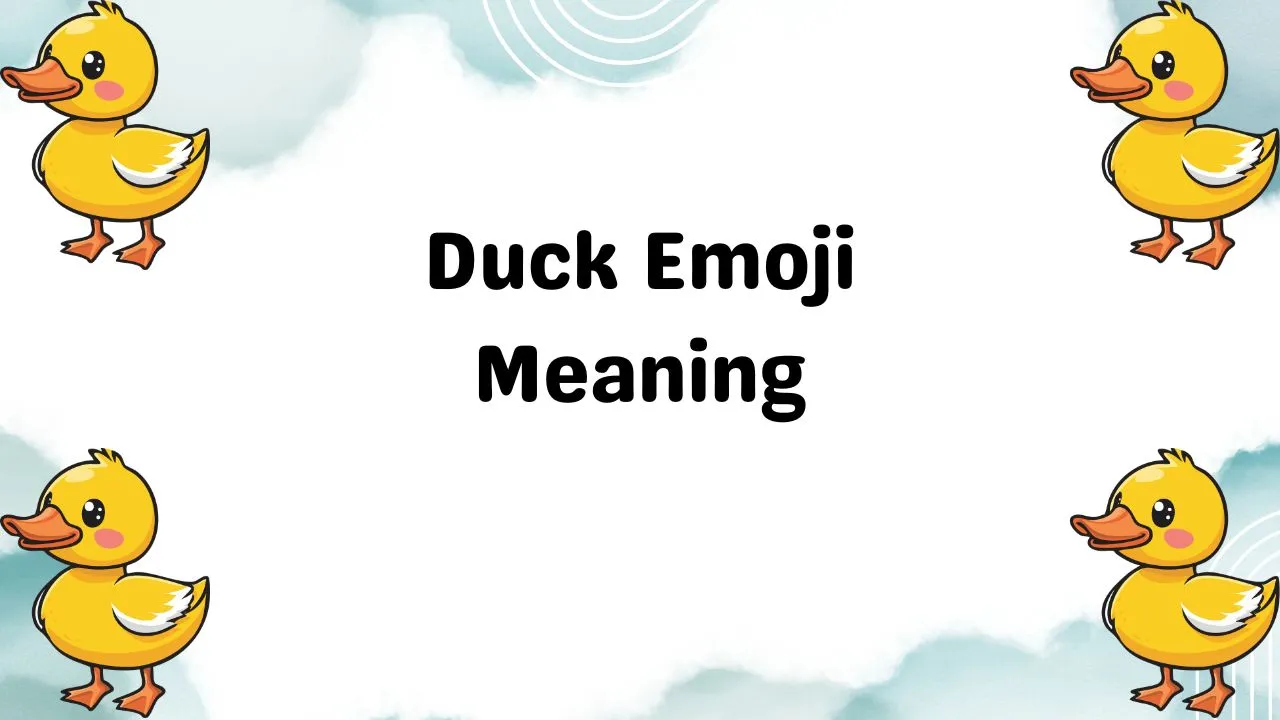
Have you ever received a 🦆 duck emoji in a text and wondered what the sender was really trying to say? The duck emoji may look simple and playful, but its meaning can change depending on the conversation, relationship, and context.
People often use 🦆 to represent ducks, nature, animals, or something cute and funny, while others may send it simply to add a playful mood to their messages. In some conversations, the 🦆 emoji can also be used as a joke, a random reaction, or a lighthearted way to make someone smile.
Understanding the duck emoji meaning can help you avoid confusion and know exactly how to respond when someone sends it. Whether you saw 🦆 in a text message, on Instagram, TikTok, Snapchat, or another social platform, this guide will explain its common meanings, possible interpretations, and how people typically use it in different situations.
Quick Answer
The 🦆 duck emoji usually stands for a real duck or a light, playful mood. Many people also use it as a milder version of stronger language because of old autocorrect habits. It can work as a sweet pet name between close friends or partners too. Context always decides the exact feeling. Dream meanings linked to ducks often point to emotional balance and adaptability, though personal experiences shape every interpretation.
Table of Contents
- Duck Emoji Meaning
- Spiritual Meaning
- Biblical Meaning
- Psychological Meaning
- Emotional Meaning
- Positive Meanings
- Negative Meanings
- Common Dream Scenarios
- Dream Meaning by Color
- Dream Meaning by Location
- Cultural Interpretations
- Is This Dream Good or Bad?
- What Should You Do After Having This Dream?
- Comparison Table
- FAQs
- Final Thoughts
Overall Meaning of the Duck Emoji
The duck emoji shows a mallard-style bird with a green head, brown body, and yellow bill. Most platforms display it looking calm and natural rather than overly cartoonish. People reach for it when they talk about real ducks at parks, ponds, or farms. It also appears during hunting season or when someone shares food posts about roast duck or duck soup.
Beyond the actual bird, the emoji carries everyday slang. Old phone keyboards often changed strong words into “duck,” so many users now choose 🦆 as a softer substitute. You might see messages like “What the 🦆?” or “I’m so 🦆ing tired.” The tone usually stays light rather than truly angry.
Some couples and close friends use it as a pet name. Dropping the emoji or calling someone “ducky” can feel warm and familiar. Others pair it with the old duck-face selfie pose, the pouty-lip look that still shows up in group photos for laughs.
In daily use the emoji balances cuteness, mild edge, and practical reference. The words around it and the relationship between people usually reveal which layer is active. Many believe the calm surface of a floating duck also hints at staying composed while working hard underneath—the classic idea of paddling furiously under the water while looking peaceful on top.
Spiritual Meaning
Across different spiritual traditions, ducks often represent emotional balance and the ability to move between different worlds. Water connects to feelings and intuition. Land connects to everyday practical life. Flight connects to a wider perspective. A bird that handles all three can symbolize someone learning to stay steady while emotions rise and fall.
Some dream experts suggest that seeing a duck or its emoji form encourages trust in your own timing. Ducks do not force seasons. They migrate when conditions support them. Traditional dream symbolism sometimes links ducks to nurturing energy, especially the image of a mother leading a line of ducklings. That image can point toward protective instincts or a gentle need for self-care.
In certain Eastern views, water birds relate to clarity and the ability to stay clean while moving through muddy situations. The idea is simple: keep your feathers dry even when the water runs deep. Many believe this serves as a quiet reminder to engage with life without absorbing every bit of surrounding drama.
Spiritual readings are never fixed. Personal history and current feelings shape the message more than any single rule.
Biblical Meaning
The Bible does not give ducks a special symbolic role the way it does with doves, eagles, or sparrows. Ducks appear in broader lists of birds in dietary laws, but they carry no unique prophetic or moral weight in the text.
Some readers still draw gentle parallels. Birds in general can represent freedom, provision, or the movement of the Spirit. Water scenes in scripture often involve cleansing or transition. A peaceful water bird might therefore feel consistent with themes of calm trust. These links remain personal interpretations rather than direct teachings.
If a duck appears in a dream and you hold a Christian worldview, many suggest simply asking what emotion or situation in your waking life needs the same steady presence the bird shows. No strong biblical association forces a particular reading. Staying honest about that gap keeps the interpretation trustworthy.
Psychological Meaning
From a modern psychology view, the duck emoji and dreams of ducks often touch on emotional regulation. Ducks look serene on the surface while their feet work hard below. That image maps neatly onto the experience of appearing composed while managing stress, deadlines, or relationship tension.
Subconscious thoughts may use the bird to highlight adaptability. Life rarely stays on one level. Work, home, social roles, and private feelings all demand different responses. A duck that shifts between water, land, and air can mirror the mind’s effort to stay flexible.
Anxiety or pressure sometimes appears as a flustered or chased duck. Calm, floating ducks more often reflect a sense of competence or the desire for greater emotional ease. Memories of childhood parks, feeding ducks with family, or favorite cartoon characters can also surface, linking the image to comfort or nostalgia.
Goals and relationships matter too. A person preparing for change may dream of migration or a line of ducklings. Someone feeling overloaded may notice the paddling feet more than the calm face. Dream interpretation varies depending on personal experiences, so the most useful question is usually: What part of my current life feels like it needs smoother movement between surface and depth?
Emotional Meaning
The duck emoji frequently carries light, friendly emotion—playfulness, mild amusement, or soft affection. When used as a swear substitute it can soften frustration so the message does not feel harsh. In romantic or close friendships it may simply say “I’m thinking of you in a cute way.”
In dreams the emotional tone tends to follow the bird’s behavior. A peaceful duck often reflects contentment or the wish for more of it. An angry or injured duck can point to irritation that has been pushed down. Seeing many ducks together sometimes mirrors feelings about community or family belonging.
Common emotional threads include:
- The desire to stay calm under pressure
- Nostalgia for simpler or more carefree times
- Gentle protectiveness toward others or oneself
- A need to step back from conflict or overstimulation
Paying attention to how you feel right after the dream or message usually offers the clearest clue.
Positive Meanings
Many people associate the duck emoji and related dreams with encouraging themes:
- Adaptability and resourcefulness in changing situations
- Emotional balance and the skill of letting negativity roll off
- Playfulness and the value of not taking everything too seriously
- Nurturing energy and care for those who depend on you
- Loyalty and steady partnership (especially in cultures that pair ducks with lasting relationships)
- A reminder that hard work can stay hidden while the surface looks graceful
- New beginnings or fertility of ideas when ducklings appear
These readings feel supportive rather than demanding. They invite the dreamer or the message receiver to notice existing strengths.
Negative Meanings
Not every appearance feels positive. Some contexts carry caution:
- Using the emoji to dodge a serious conversation or responsibility
- Feeling like an “odd duck”—out of place or misunderstood
- Surface calm that hides exhaustion or unaddressed stress
- Frustration that leaks out through mild swear substitutes
- A sense of being hunted, chased, or unable to rest
- Over-nurturing others at the expense of personal boundaries
None of these are automatic. They simply appear often enough that noticing the surrounding story helps. A single emoji or dream rarely delivers a harsh verdict on its own.
Common Dream Scenarios
Dreams involving ducks (or the duck emoji as a visual stand-in) take many forms. Here are seven common situations and the meanings many people explore. Dream interpretation varies depending on personal experiences.
Dream of Seeing a Calm Duck Floating
A peaceful duck gliding on still water often feels reassuring. Many believe it reflects emotional steadiness or the wish for more of it. The dream may arrive during busy periods as a quiet suggestion that you already know how to keep moving without drama. Overall tone tends to be positive or neutral, pointing toward balance rather than crisis.
Dream of Being Chased by a Duck
Being pursued by a duck can feel surprisingly intense. Some dream experts suggest the chase represents a small irritation or responsibility you have been avoiding. Because ducks are not typically threatening animals, the dream may highlight how even minor issues grow larger when ignored. The interpretation is usually mild and leans neutral-to-negative—an invitation to face the small thing before it becomes bigger.
Dream of Talking to a Duck
Conversing with a duck often signals a need to listen to quieter parts of yourself. The bird’s voice or its quack may stand in for intuition or a neglected feeling. Many people wake with a sense that an important but soft message is trying to reach them. This scenario is generally neutral to positive and encourages gentle self-inquiry.
Dream of Feeding Ducks
Offering food to ducks commonly links to generosity, caretaking, or the desire to nurture. It can also reflect a wish to reconnect with simpler pleasures. If the ducks respond eagerly, the dream may affirm that your efforts are landing well. If they ignore the food, it might gently question whether energy is going to the right places. Tone is usually positive.
Dream of a Duck with Ducklings
A mother duck leading her young is one of the most nurturing images. Many interpret it as a sign of protective instincts, new projects that need guidance, or the importance of steady leadership in family or work. The dream often arrives when someone is stepping into a caring role or reflecting on their own upbringing. Generally positive.
Dream of a Duck Flying Away
A duck taking flight can symbolize release, transition, or the end of a phase. Some see it as encouragement to let go of something that has served its purpose. Others read it as a reminder that you also have the freedom to change environments. The emotional flavor depends on whether the flight feels liberating or lonely. Neutral overall, with room for personal coloring.
Dream of an Angry or Injured Duck
An aggressive or hurt duck often points to irritation or vulnerability that has been under the surface. It may reflect self-criticism, a strained relationship, or frustration that needs healthier expression. The dream is not usually catastrophic; it simply draws attention to an emotional sore spot. Mildly negative, serving as a prompt for care rather than alarm.
Dream Meaning by Color
Color can add nuance when it stands out in the dream:
- White duck – Often linked to purity, clarity, or a fresh emotional start. Some associate it with innocence or spiritual openness.
- Black or dark duck – May highlight shadow feelings, mystery, or the need to look beneath surface appearances.
- Green-headed mallard – The most common form; frequently ties to balance, nature connection, and everyday resilience.
- Golden or brightly colored duck – Can suggest value, opportunity, or a situation that feels special or lucky.
- Rubber duck (yellow) – Brings playfulness, childhood memory, or the need for lighter problem-solving.
These associations remain flexible. Personal memories of a specific colored duck often outweigh general symbolism.
Dream Meaning by Location
Where the duck appears can shift the emphasis:
- In water or a pond – Strong focus on emotions, intuition, and the need to navigate feelings with ease.
- On land or in a yard – Practical matters, home life, or grounding after emotional intensity.
- In the sky or flying – Perspective, freedom, or transition between life chapters.
- Inside a house – Personal or family issues that have entered private space.
- At a park or public place – Social belonging, nostalgia, or how you present yourself to others.
- Workplace setting – Professional adaptability, office dynamics, or the effort of looking calm under pressure.
The setting usually mirrors the area of life currently asking for attention.
Cultural Interpretations
Different cultures have long noticed ducks and attached meaning:
- Western – Often playful or comic (think cartoon ducks). Also the source of idioms like “water off a duck’s back” and “get your ducks in a row.”
- Chinese – Mandarin ducks symbolize marital fidelity and lasting partnership. They appear in art and wedding contexts as a positive pair.
- Native American traditions – Some nations connect water birds with emotional clarity, resourcefulness, and the ability to move between elements.
- Hindu perspectives – Water birds can relate to discernment and the capacity to remain untouched by surrounding impurity.
- European folklore – Ducks sometimes appear in stories of transformation (the ugly duckling) or as everyday companions of rural life.
These threads show how the same animal can carry loyalty, adaptability, or quiet wisdom depending on the cultural lens. Modern emoji use adds a new global layer of humor and mild slang on top of older symbolism.
Is This Dream Good or Bad?
Neither purely good nor purely bad. The duck emoji and duck dreams most often sit in neutral-to-positive territory because the bird itself is rarely threatening. Positive readings emphasize balance, care, and resilience. Cautionary readings simply highlight avoided feelings or the cost of always looking calm.
Context and your waking emotional state matter more than any fixed label. A dream that leaves you smiling after waking carries a different weight than one that leaves you tense. Trust that personal reaction as useful data.
What Should You Do After Having This Dream?
- Write down the key details while they are fresh—the duck’s behavior, the setting, and how you felt.
- Ask what part of your current life feels like it needs smoother movement between surface and depth.
- Notice whether you have been stepping back from a conversation or responsibility. A small honest step can release pressure.
- If the dream felt nurturing, consider one concrete way to care for yourself or someone close to you.
- Use the emoji intentionally in your own messages if it matches the tone you want to send.
- Give the dream a few days. Sometimes its meaning clarifies only after real-life events unfold.
Practical reflection usually proves more helpful than forcing a dramatic interpretation.
Comparison Table
| Positive Symbolism | Negative Symbolism |
| Emotional balance | Hidden stress or exhaustion |
| Adaptability and flexibility | Avoiding necessary conversations |
| Playfulness and light humor | Feeling like an outsider |
| Nurturing and protection | Overextending care for others |
| Resilience (“water off a duck’s back”) | Minor irritations growing larger |
| Loyalty and steady partnership | Surface calm that feels forced |
FAQs
What does the duck emoji mean from a girl?
It often signals playfulness, cuteness, or casual affection. Context matters—paired with hearts it can feel warm; used alone it may simply be lighthearted. Some women also use it as a soft swear substitute.
Is the duck emoji flirty?
It can be, especially as a pet name or with other cute symbols. More often it stays friendly and silly rather than intensely romantic. Tone and relationship history decide the level of flirt.
Why do people use 🦆 instead of stronger language?
Autocorrect once changed strong words into “duck” so often that the substitution became a joke. The emoji now lets people express frustration or emphasis while keeping the message milder.
Does dreaming of a duck mean good luck?
Many traditions view ducks as positive symbols of adaptability and emotional ease. Luck is not guaranteed, but the image frequently arrives during periods when flexibility helps.
Can the duck emoji mean something sexual?
In rare niche slang it has been used that way, but the dominant everyday meanings remain literal, playful, or mildly strong. Context almost always clarifies intent.
How should I reply to a duck emoji?
Match the energy. A simple 🦆 back, a laughing reaction, or a short playful comment usually works. If the conversation is serious, ask for clarification rather than assuming.
Final Thoughts
The duck emoji 🦆 packs a surprising amount of meaning into one small image. It can be a literal bird, a soft expression of frustration, a term of endearment, or a quiet nod to staying calm while working hard underneath. When the same bird shows up in dreams, it often invites the same questions about balance, emotion, and adaptability.
No single interpretation fits every person or every message. Your own feelings, relationships, and current life chapter shape the meaning more than any list of symbols. The next time a duck appears whether on your screen or in your sleep pause and notice what it stirs in you. That personal reflection is usually the most trustworthy guide of all.

I am James Wilson, a passionate writer dedicated to creating informative, engaging, and valuable content for readers around the world. I am focused on sharing well-researched ideas, practical insights, and helpful information that inspires learning and growth. With a strong interest in writing and exploring different topics, I aim to provide content that is clear, meaningful, and easy to understand.