Have you ever received a message that left you completely speechless? The 😶 emoji captures that awkward, silent moment when words simply don’t come out. The 😶 meaning of this emoji is commonly associated with silence, speechlessness, awkwardness, or having nothing to say. People use it when they’re surprised by unexpected news, unsure how to respond, or deliberately choosing to stay quiet.
In texting, it can also express embarrassment, disappointment, discomfort, or a reaction to something shocking. For example, if a friend shares an unbelievable secret, replying with 😶 can show that you’re too stunned to answer.
On Instagram, Snapchat, TikTok, and WhatsApp, this emoji may also suggest that someone is keeping a secret or avoiding a difficult conversation. However, its meaning depends on the context, tone, and relationship between the people chatting. Understanding these different uses can help you figure out whether someone is speechless, uncomfortable, surprised, or simply choosing silence.
What Does 😶 Mean?
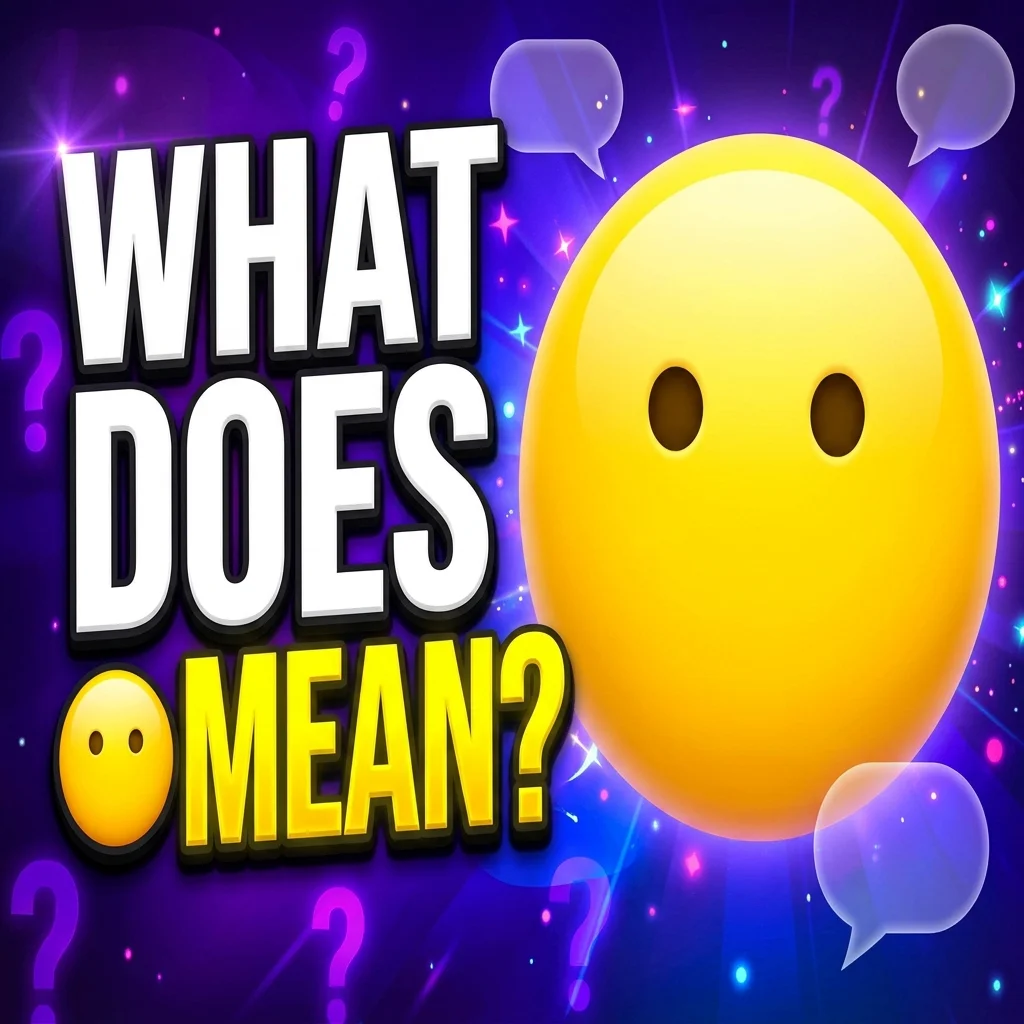
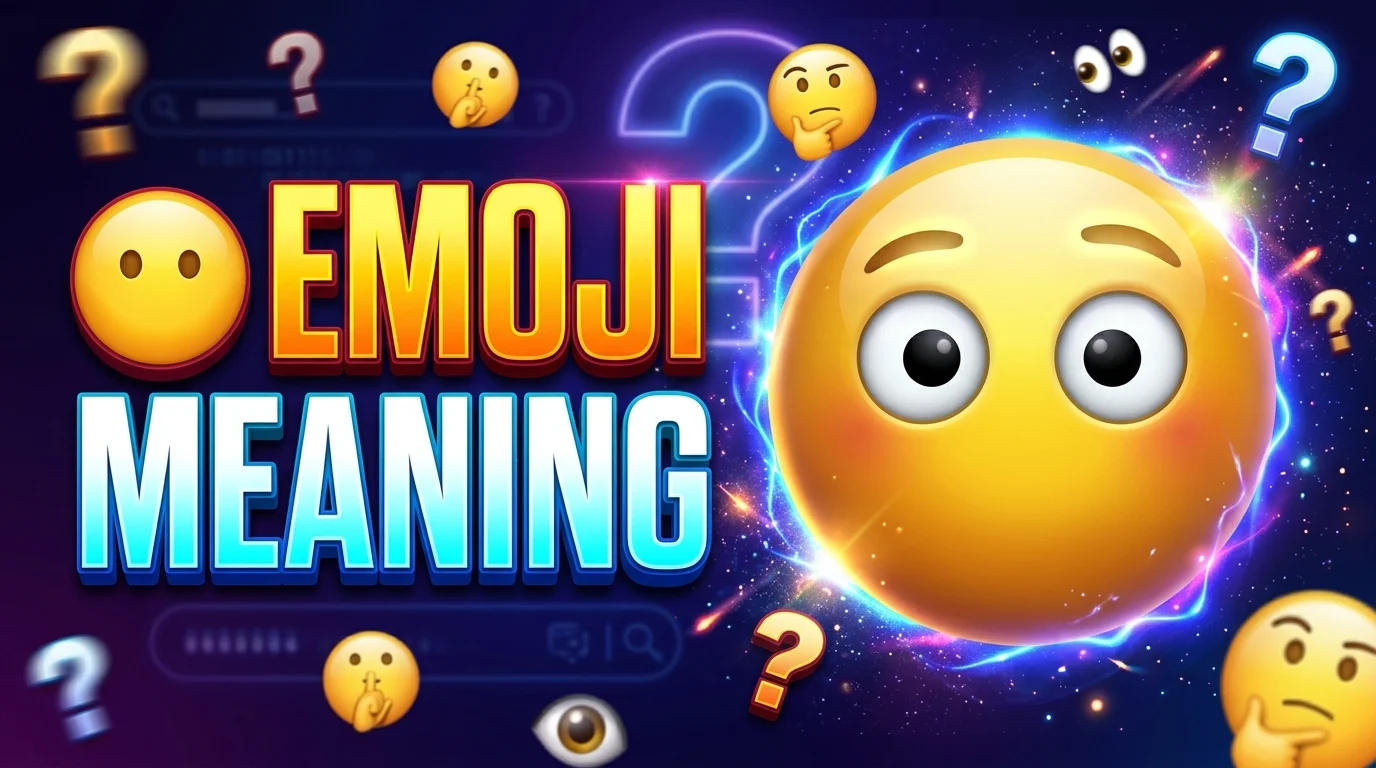
The 😶 emoji is officially known as the Face Without Mouth emoji. It shows a face with open eyes but no visible mouth, creating an expression that can suggest silence, uncertainty, or an inability to find the right words.
Its most common meaning is “I have nothing to say” or “I’m speechless.” People use it when they cannot think of a response, do not want to reveal their thoughts, or feel that remaining quiet is the best reaction.
For example, imagine telling your friend an embarrassing story about yourself. Your friend might reply with 😶 because they are surprised and do not know whether to laugh, ask questions, or change the subject.
The emoji can communicate several feelings:
- Silence: You have nothing to say.
- Speechlessness: Something has left you without words.
- Awkwardness: You feel uncomfortable about a situation.
- Shock: You have received unexpected or surprising information.
- Embarrassment: You do not know how to react to an awkward moment.
- Uncertainty: You are unsure what to say or do.
- Playful secrecy: You know something but are choosing not to reveal it.
- Disappointment: You are quietly reacting to something that bothers you.
The 😶 emoji does not automatically mean that someone is angry, upset, or ignoring you. It can simply be a lighthearted way to express a reaction that words cannot capture.
😶 Meaning of This Emoji in Texting
In texting, 😶 often appears when someone has no immediate response to a message. It can replace a written reaction such as “Wow,” “I don’t know what to say,” or “That was awkward.”
Because text messages lack facial expressions and vocal tone, people use emojis to make their feelings easier to understand. The mouthless face can communicate silence without requiring a full explanation.
When Someone Has Nothing to Say
One of the most common uses of 😶 is to show that a message has left someone speechless.
Example:
Person A: “I accidentally called my teacher Mom today.”
Person B: “😶”
Here, Person B probably finds the situation embarrassing or funny. The emoji suggests that the story is so awkward that a normal response feels unnecessary.
When a Message Feels Awkward
People also use 😶 when a conversation takes an uncomfortable turn.
Example:
Person A: “Your ex was asking about you yesterday.”
Person B: “Oh… 😶”
The emoji may suggest surprise, discomfort, or uncertainty about what to say next. The sender might have mixed feelings about the information.
When Someone Is Surprised
Sometimes, a message is so unexpected that the receiver needs a moment to process it.
Example:
Person A: “Guess what? I got engaged!”
Person B: “WAIT WHAT 😶”
In this case, the emoji expresses surprise rather than sadness. The receiver may be excited but temporarily unable to form a complete response.
When Someone Wants to Stay Quiet
The 😶 emoji can also mean that someone would rather not comment.
Example:
Friend A: “What do you think about our group argument?”
Friend B: “I’m staying out of this 😶”
Here, the emoji reinforces the decision to remain neutral. The sender may want to avoid drama or prevent the disagreement from getting worse.
😶 Emoji Meaning on Social Media
On platforms such as Instagram, TikTok, Snapchat, Facebook, and WhatsApp, 😶 can express reactions to posts, videos, comments, and private messages.
Its meaning often depends on the content surrounding it. A surprising video might inspire a speechless reaction, while a controversial post might lead someone to use it to avoid sharing an opinion.
😶 Meaning on Instagram
Instagram users may place 😶 in comments, captions, Stories, or direct messages.
For example:
- A friend posts an embarrassing throwback photo, and you comment “😶😂”.
- Someone shares unexpected relationship news, and you reply “😶 wait, really?”
- A person posts a mysterious Story, and you respond “What does this mean? 😶”
The emoji can show surprise, awkward amusement, or curiosity. When combined with 😂, it often suggests that something is both uncomfortable and funny.
😶 Meaning on TikTok
On TikTok, people may use 😶 in comments about shocking, embarrassing, or unbelievable videos.
For example:
“Bro actually said that in front of everyone 😶”
This comment suggests that the person’s behavior was so unexpected that the viewer has no words.
It may also appear in reaction videos, memes, and humorous posts where silence itself becomes the joke.
😶 Meaning on Snapchat
On Snapchat, the emoji often communicates an immediate reaction to a snap or private message.
For example:
Friend: “I sent the message to the wrong person.”
You: “😶 NO WAY”
The emoji emphasizes the shock of the mistake. Depending on the friendship, it might also suggest that the situation is about to become embarrassing.
😶 Meaning on WhatsApp
WhatsApp users may send 😶 in personal chats, family groups, or work conversations.
For example:
Sibling: “Mom found the broken vase.”
You: “😶”
This response may communicate nervousness, guilt, or the feeling that trouble is coming. The exact meaning depends on whether you caused the problem and how your family usually jokes with one another.
😶 Meaning From a Girl
When a girl sends 😶, she may be speechless, surprised, awkward, amused, or unsure how to respond. The emoji alone does not reveal her feelings with certainty.
The surrounding conversation provides the most useful clues.
She Is Surprised by Your Message
If you tell her something unexpected, she might use 😶 because she did not see it coming.
Example:
You: “I saw you at the concert yesterday!”
Her: “You were there too? 😶”
She may simply be surprised that you attended the same event. This does not necessarily indicate romantic interest.
She Feels Awkward
If your conversation becomes uncomfortable, she may send the emoji instead of explaining her reaction.
Example:
You: “I told everyone you liked him.”
Her: “😶 Why would you do that?”
Here, the emoji suggests discomfort or surprise, especially because her words indicate that she dislikes what happened.
She Is Speechless in a Playful Way
A girl may also use 😶 when you tease her or say something unexpectedly funny.
Example:
You: “You said you wouldn’t miss me, but you texted me first.”
Her: “😶 shut up 😂”
This response looks playful because the words and laughing emoji soften the reaction. She might be embarrassed, amused, or simply joking with you.
Important: Do not assume that 😶 means a girl likes you. Look at her overall communication, how she responds to you, and whether she consistently shows interest.
😶 Meaning From a Guy
When a guy sends 😶, he may be showing that he is speechless, caught off guard, uncomfortable, or unsure what to say.
Some people use the emoji as a complete response when they do not want to explain their feelings in detail.
He Is Shocked
Example:
You: “I finished the entire project in one night.”
Him: “😶 how??”
He probably finds your achievement surprising. The emoji emphasizes his disbelief.
He Is Embarrassed
A guy might send 😶 after you tease him about something personal.
Example:
You: “You liked my photo from three years ago.”
Him: “😶 I was scrolling.”
This can be a humorous way to acknowledge an awkward moment. It does not necessarily mean he is ashamed or hiding something important.
He Does Not Know How to Reply
Example:
You: “I know what you said about me yesterday.”
Him: “😶”
In this situation, he may be nervous or uncertain about how to respond. However, you cannot know whether he feels guilty, confused, or surprised from the emoji alone.
The best approach is to consider the previous messages and ask a calm follow-up question if the situation matters.
😶 Meaning From a Crush
Receiving 😶 from your crush can feel confusing, especially when you are trying to figure out whether they like you.
The emoji may indicate that your message caught their attention or left them unsure how to respond. It can also be a playful reaction to flirting, teasing, or an unexpected confession.
Your Crush Is Speechless After a Compliment
Example:
You: “You looked really good today.”
Crush: “😶 stoppp”
This could suggest shyness, embarrassment, amusement, or playful discomfort. If your crush responds warmly and continues the conversation, the reaction may be positive.
Your Crush Is Reacting to Flirting
Example:
You: “Are you always this cute, or is it just today?”
Crush: “😶😭”
The combination may communicate playful embarrassment or disbelief. However, it does not prove that your crush is romantically interested.
Your Crush Is Unsure What to Say
Example:
You: “I think I might have feelings for you.”
Crush: “😶”
This is a more serious situation. Your crush may be surprised, overwhelmed, uncertain, or trying to find the right words.
Give them time to respond. Avoid treating their silence as either a definite rejection or a definite sign of attraction.
😶 Meaning From a Partner
In a romantic relationship, 😶 can express surprise, awkwardness, embarrassment, playful silence, or difficulty responding to something your partner has said.
The emotional meaning depends on whether the conversation is affectionate, humorous, or serious.
When Your Partner Teases You
Example:
Partner: “You said you were going to sleep two hours ago.”
You: “😶 I got distracted.”
This is a playful acknowledgment that you have been caught doing something you said you would not do.
When Your Partner Shares Unexpected News
Example:
Partner: “I booked us a surprise trip!”
You: “😶 WHAT? REALLY?”
Here, the emoji shows surprise and amazement. It may be part of an excited reaction rather than a sign of discomfort.
When a Conversation Becomes Serious
Example:
Partner: “We need to talk about what happened yesterday.”
You: “😶 Okay, what’s wrong?”
In this case, the emoji may reflect nervousness or uncertainty. It might suggest that you are preparing for an uncomfortable discussion.
If your partner sends 😶 during a serious conversation, do not rely on the emoji to understand the entire message. Ask what they mean and give them space to explain.
😶 Meaning in Friendship
Among friends, 😶 is often casual, funny, and expressive. Friends may use it to react to embarrassing stories, unexpected announcements, questionable decisions, or jokes that leave everyone speechless.
Because close friends usually understand one another’s humor, the emoji can communicate a whole reaction with a single symbol.
When a Friend Tells You Something Embarrassing
Friend: “I waved at someone who wasn’t waving at me.”
You: “😶💀”
The combination suggests secondhand embarrassment and humor. You may feel bad for your friend while also finding the situation funny.
When a Friend Makes a Wild Decision
Friend: “I bought another pair of shoes even though I promised to save money.”
You: “😶 bestie…”
The emoji suggests that you are speechless about the decision. Depending on your friendship, it might be teasing rather than criticism.
When a Friend Shares a Secret
Friend: “I know who has a crush on you.”
You: “😶 TELL ME”
Here, the emoji communicates curiosity and surprise. The written words make it clear that you want more information.
Positive and Negative Meanings of 😶
The Face Without Mouth emoji can communicate both positive and negative feelings. It is not inherently happy or sad.
| Possible meaning | What it communicates | Example |
| Surprise | Something was unexpected | “You won? 😶” |
| Speechlessness | No words come to mind | “I can’t believe it 😶” |
| Awkwardness | The situation feels uncomfortable | “You told them that? 😶” |
| Embarrassment | Someone feels caught off guard | “You saw my old post? 😶” |
| Humor | Something is too funny or awkward to explain | “He really did that 😶😂” |
| Discomfort | A comment or situation feels inappropriate | “That’s a strange thing to say 😶” |
| Silence | Someone does not want to comment | “I’m not getting involved 😶” |
| Uncertainty | Someone does not know how to react | “What am I supposed to say? 😶” |
When 😶 Has a Positive Meaning
The emoji may have a positive meaning when someone receives good news, hears an unexpected compliment, or encounters something impressive.
For instance, a friend might send 😶 after learning that you got your dream job. In that context, the expression may suggest amazement rather than discomfort.
It can also make a playful conversation more entertaining, especially when paired with laughing or affectionate emojis.
When 😶 Has a Negative Meaning
The emoji may carry a negative tone when someone feels uncomfortable, disappointed, offended, or unsure how to respond to an insensitive comment.
For example:
You: “I forgot your birthday again.”
Friend: “😶”
Your friend might be disappointed or speechless. However, they could also be joking, depending on your relationship and the rest of the conversation.
If you think your message hurt someone, acknowledge the possibility instead of assuming that the emoji is harmless.
😶 Meaning in Different Situations
The same emoji can communicate different reactions in different settings. Here are some common interpretations.
| Situation | Possible interpretation |
| Someone tells a shocking secret | Surprise or disbelief |
| A friend makes an embarrassing mistake | Awkwardness or playful teasing |
| A crush receives a compliment | Shyness or speechlessness |
| A partner announces a surprise | Amazement or excitement |
| Someone asks a difficult question | Uncertainty or hesitation |
| A group argument starts | Staying neutral or avoiding drama |
| Someone shares an offensive joke | Discomfort or disapproval |
| A person receives unexpected criticism | Shock or disappointment |
| A funny video appears | A speechless reaction |
| Someone asks for your opinion on gossip | Choosing not to comment |
These interpretations are possibilities, not fixed rules. The words around the emoji usually provide stronger clues than the emoji itself.
How to Respond When Someone Sends 😶
Your response should match the situation. Sometimes a funny reply is enough, while other conversations require a little more care.
If a Friend Sends 😶
If your friend uses the emoji after a joke or embarrassing story, keep your response casual.
Try these replies:
- “What? 😂”
- “Why are you speechless?”
- “I know, right? 😭”
- “Don’t judge me!”
- “Say something, bestie.”
- “You can’t leave me hanging like that.”
If your friend seems uncomfortable rather than amused, consider changing the subject or asking whether everything is okay.
If Your Crush Sends 😶
When your crush sends the emoji after a compliment or flirty message, avoid assuming that they are definitely interested.
You could respond with:
- “Did I leave you speechless? 👀”
- “Too much? 😂”
- “I’m just being honest.”
- “What are you thinking?”
- “You can tell me what you really think.”
Choose a playful reply only when the conversation already has a comfortable, flirty tone. If your crush seems uncertain, give them room to respond naturally.
If Your Partner Sends 😶
If your partner uses the emoji during a lighthearted conversation, a joke may keep things relaxed.
Possible replies include:
- “What’s that face for? 😂”
- “You have something to say?”
- “I know you have a reaction.”
- “Don’t tell me you’re surprised.”
- “Okay, I’ll explain.”
If the conversation is serious, ask a clear question instead of responding with more jokes. For example, “I’m not sure how you feel about that. Can you tell me?”
If Someone Sends 😶 After Bad News
A person who sends this emoji after receiving upsetting news may need time to process what happened.
You could say:
- “I know that’s a lot to take in.”
- “Take your time.”
- “Do you want to talk about it?”
- “I’m here if you need me.”
- “I understand if you don’t know what to say.”
A supportive response is often more helpful than trying to force an immediate reaction.
If You Don’t Understand Their Meaning
When the context is unclear, the simplest option is to ask.
For example:
- “What do you mean by 😶?”
- “Are you surprised or upset?”
- “I can’t tell if you’re joking.”
- “Is everything okay?”
A short clarification can prevent misunderstandings, especially when you are talking to someone you do not know very well.
😶 vs. 😐: What’s the Difference?
The 😶 and 😐 emojis look similar because both have relatively neutral expressions. However, their visual differences can create different impressions.
The 😶 emoji has no visible mouth. This often suggests silence, speechlessness, or an inability to respond.
The 😐 emoji has a straight-line mouth. It commonly communicates neutrality, an unimpressed reaction, mild annoyance, or a lack of enthusiasm.
Consider these examples:
😶 Example: “You did WHAT? 😶”
This suggests that the speaker is speechless or caught off guard.
😐 Example: “You forgot again. 😐”
This may suggest that the speaker is unimpressed or mildly annoyed.
The distinction is not absolute. People sometimes use both emojis interchangeably, so context remains important.
😶 vs. 😶🌫️: What’s the Difference?
The 😶🌫️ emoji is called Face in Clouds. It shows a face surrounded by clouds or fog, while 😶 shows a face without a mouth.
The 😶 emoji usually communicates silence, speechlessness, or awkwardness.
The 😶🌫️ emoji can suggest confusion, mental fog, distraction, feeling lost, or being overwhelmed. Some people also use it humorously when they feel disconnected from what is happening.
For example:
- “I have no words for that 😶”
- “I have no idea what’s going on anymore 😶🌫️”
The first focuses on having nothing to say. The second may suggest feeling confused or mentally overwhelmed.
😶 vs. 🤐: What’s the Difference?
The 🤐 emoji is known as Zipper-Mouth Face. Unlike 😶, it has a visible mouth with a zipper.
The 😶 emoji often suggests that someone is speechless or does not know what to say.
The 🤐 emoji more directly suggests keeping a secret, staying quiet, or refusing to reveal information.
Example with 😶:
Friend: “I can’t believe you actually won!”
You: “😶”
You are showing surprise or speechlessness.
Example with 🤐:
Friend: “Tell me what happened at the party.”
You: “🤐 It’s a secret.”
You are deliberately keeping information to yourself.
These emojis can overlap, but 🤐 often communicates intentional silence more clearly.
😶 vs. 😳: What’s the Difference?
The 😳 emoji, called Flushed Face, often represents embarrassment, surprise, shyness, or being overwhelmed by an unexpected situation.
The 😶 emoji places more emphasis on silence or having no words.
For example:
😶: “Your parents saw our messages? 😶”
This may suggest speechlessness or uncertainty about what to say.
😳: “You told your parents about me? 😳”
This may suggest embarrassment, shock, or feeling caught off guard.
Both can appear in romantic conversations, but 😳 often conveys a more visibly flustered reaction.
Common Misunderstandings About 😶
People sometimes assign too much meaning to a single emoji. The Face Without Mouth emoji is especially easy to misinterpret because silence can communicate several different feelings.
It Does Not Always Mean Anger
Someone might send 😶 because they are surprised or unsure what to say. They are not necessarily angry with you.
Look at their words and the wider conversation before assuming that they are upset.
It Does Not Automatically Mean Someone Is Ignoring You
A person may use the emoji when they need time to think or cannot find the right response. It does not necessarily mean that they want to end the conversation.
If they stop replying altogether, that is a separate behavior. Even then, there may be many reasons for their silence.
It Is Not Always a Sign of Romantic Interest
If your crush sends 😶 after a compliment, they might feel shy or amused. However, they could also be surprised, uncomfortable, or unsure how to respond.
One emoji cannot confirm someone’s feelings. Look for clear communication and consistent behavior instead.
It Does Not Always Indicate Disapproval
The emoji can look serious because it lacks a smile. Nevertheless, people frequently use it for jokes, memes, and playful reactions.
A friend who sends 😶 after hearing a funny story might simply be pretending to be speechless.
Its Meaning Is Not the Same for Everyone
Some people use emojis carefully, while others add them to messages almost automatically. One person might use 😶 to express genuine discomfort, while another might use it as a funny reaction to almost anything.
That is why understanding the sender’s usual communication style matters.
Tips for Understanding 😶 Correctly
If you receive 😶 and want to understand what the sender means, consider a few simple clues.
Read the message before it. A reaction to a joke may mean something different from a reaction to a serious confession.
Look at the words around the emoji. A message such as “I don’t know what to say 😶” directly supports the idea of speechlessness. A message such as “I’m not getting involved 😶” suggests deliberate neutrality.
Consider your relationship. Close friends may use the emoji sarcastically, while a coworker might use it to express polite uncertainty or surprise.
Notice other emojis. Combinations such as 😶😂 may suggest awkward humor, while 😶😭 can emphasize an exaggerated or dramatic reaction. However, these combinations still depend on context.
Avoid making assumptions. If the meaning matters, ask the sender directly rather than trying to interpret every detail.
These simple habits can help you understand emoji-based communication without turning an ordinary message into a complicated mystery.
Frequently Asked Questions About 😶 Meaning of This Emoji
What does 😶 mean from a girl?
When a girl sends 😶, she may be speechless, surprised, embarrassed, awkward, or unsure how to respond. The meaning depends on your conversation and relationship. It does not automatically mean that she likes you or feels upset.
What does 😶 mean from a guy?
A guy may use 😶 to express shock, silence, awkwardness, or uncertainty. He might send it after an unexpected message, a teasing comment, or a difficult question. Check the surrounding conversation before deciding what he means.
What does 😶 mean from a crush?
When your crush sends 😶, they might be surprised, shy, speechless, or uncertain about your message. If you were flirting, the emoji could be playful, but it does not prove romantic interest. Their words and overall behavior provide better clues.
Does 😶 mean someone is speechless?
Yes. Speechlessness is one of the most common interpretations of 😶. People often use it when something is so surprising, awkward, or unexpected that they cannot think of an appropriate response.
Is 😶 a positive or negative emoji?
The 😶 emoji can be either positive or negative, depending on context. It may show amazement, playful embarrassment, awkwardness, discomfort, or disappointment. The emoji itself does not establish whether someone feels happy or upset.
What is the difference between 😶 and 🤐?
The 😶 emoji usually suggests silence, speechlessness, or not knowing what to say. The 🤐 emoji more often represents keeping a secret or deliberately refusing to share information. Their meanings can overlap in some conversations.
What should I reply when someone sends 😶?
Your response should match the situation. You could say “Why are you speechless? 😂” during a funny conversation or “Are you okay?” if the message seems serious. Asking what the sender means is also a good option when you feel unsure.
What does 😶 mean on Instagram or WhatsApp?
On Instagram and WhatsApp, 😶 can express surprise, awkwardness, silence, embarrassment, or a reaction to unexpected news. People may also use it jokingly in comments, Stories, group chats, and private messages. The surrounding content helps clarify its meaning.
Conclusion
The 😶 meaning of this emoji mainly relates to silence, speechlessness, awkwardness, surprise, and not knowing what to say. People use it in text messages, friendships, romantic conversations, social media comments, and everyday chats when words do not fully express their reactions.
Depending on the situation, 😶 can communicate a funny reaction, a moment of embarrassment, a serious concern, or a decision to stay quiet. When a girl, guy, crush, or partner sends it, the emoji alone cannot tell you exactly what they feel.

I am James Wilson, a passionate writer dedicated to creating informative, engaging, and valuable content for readers around the world. I am focused on sharing well-researched ideas, practical insights, and helpful information that inspires learning and growth. With a strong interest in writing and exploring different topics, I aim to provide content that is clear, meaningful, and easy to understand.